ENCOURAGING
Good Shepherd
Compassion
&
Humble Cooperative
Conversation through
Science, Philosophy, and Theology
for All Humans & Sentient Animals
“Good Shepherd Compassion”
Always Free Since 1983
Sid Galloway, BS, MDIV (PhD?, not quite). I’m a retired family counselor, conflict mediator, science educator, and former wild animal rescue-rehabilitator whose essays explore psychology, theology, science, philosophy of science, consciousness, compassion, and human / animal behavior. My views have changed and developed significantly over the past 30 years of presence on the internet. So, please note that if on the internet you find old articles by me, or old post by other people about me, they probably don’t represent my current worldview. I’m basically a life-long researcher of human / animal psychology and behavior.
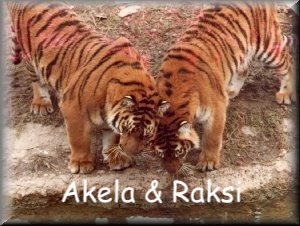
STORIES – Everyone’s life is a unique fluidly ongoing story among countless others that blends into the big story of history. Now at nearly 70, my own story has involved over 45 years simultaneously doing my best to serve in the overlapping areas of Counseling-Psychology (Individuals, Couples, Families, often with AAT – Animal-Assisted Therapy), Conflict-Mediation, and Science-Philosophy Education (teaching adults college level counseling-psychology, philosophy of science, – & teaching teens college prep biology), plus throughout it all, always Animal Rescue/Rehabilitation (exotic, wild, domestic – literally elephants, lions, tigers, & bears, plus otters, raccoons, dogs, cats, cows, pigs, chickens, & many many more). A favorite of the 100’s of personal stories involves my gentle giant tiger friends, Akela & Raksi (see the photo above), way back when I served as their daily caregiver and companion at the New Orleans Audubon (conservation) Zoo decades ago.
OVERVIEW – First of all, this website is simply a convenient place for me to express, store, and update my thoughts and perspectives as I continue to grow. Second, it’s for others. It’s not only for current friends and colleagues, but especially so that my former counselees, colleagues, & students can see how and why my views and emphases have significantly changed. Many of my old published articles that are out there on the internet in magazines, journals, for other organizations, etc. no longer represent my current worldview. Even on my own personal 30 year online presence, I removed many of my past website articles-essays-booklets, and I’m now replacing them with new or updated ones to better reflect my growing perspective on life, love, and reality. I have been reexamining how we know truth (epistemology), what ultimately exists (ontology), and the nature, the origin of the cosmos (cosmology), and the mystery of consciousness (what is “mind”).
RETIRED FOCUS – The focus now in my later years is to let the lessons and stories from hundreds of animal friends in my past, present, & hopefully future serve as a bridge to humble, cooperative conversation about the world’s urgent need for people to consistently practice a Good-Shepherd type of compassion (agape-love) for all humans and animals – even “others” who appear to act like our “enemies. Yes, there is goodness and joy in this world, but also a lot of horrific suffering. The question for all of us is – “How can our lives individually and collectively become better causes of good?
Sid Galloway BS, M.DIV. (PH.D.? not quite – see the about page)
“Ask the animals and they will teach you,
… that the hand of the Creator [Who is love] has done this.
… In God’s hand is the soul [nephesh] of every creature …
wisdom is found among the aged …
long life brings understanding …
To God belong wisdom and power;
counsel and understanding.”
Job 12:7-13
In memory of my surrogate black “grandfather”
Mr. Will Hall
& my surrogate red-black “aunt-mother”
Mrs. Jerline Henson
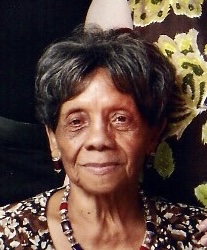
Dr. Marcelo Gleiser PhD – Agnostic, theoretical physicist, cosmologist, philosopher of science
“Despite significant advance, the earliest moments and the fundamental cause
of the Universe’s inception remain shrouded in mystery – perhaps forever so.”
“Indeed, there is a nuanced role for faith-based belief within science,
and it is arguably needed in order to advance knowledge of the natural world.”
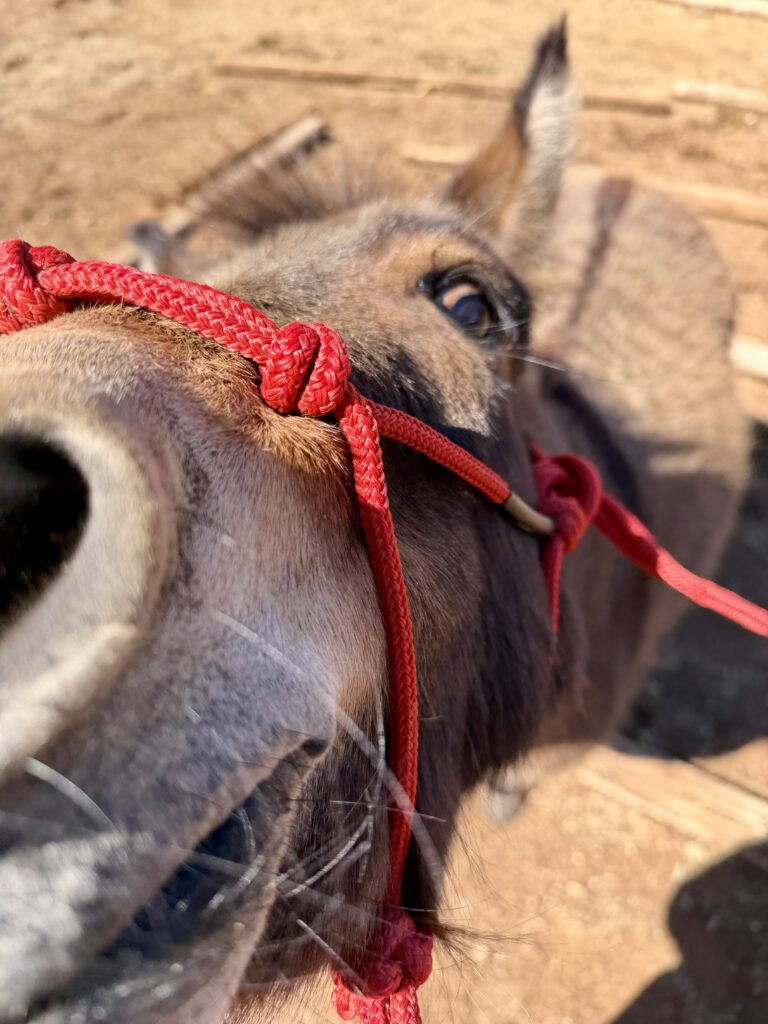
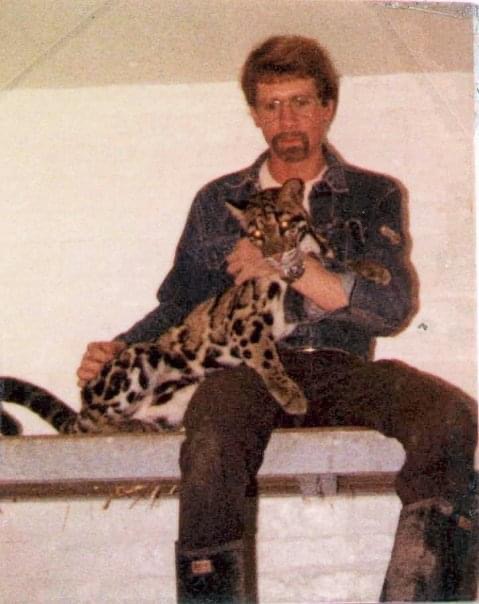

Photos: Mini-Mule DAVY / Leopard MANDY / Elephant JEAN
- DAVY the mini-mule is one of my newest animal friends where we moved in Texas.
(I was for a while Davy’s service-human, helping him learn to trust and enjoy human touch & care. Davy belongs to a friend who adopted him as a companion for her horse Aimee.) - Clouded-Leopard MANDY 45 years ago was my best exotic animal friend & mutual therapist.
(I was her caregiver & comfort trainer at the Audubon (conservation) Zoo in New Orleans.) - Gentle Elephant JEAN was only 10 years old when I started as her caregiver at the zoo.
(Jean is still there. She’s an old lady just as I’m now an old man. For many years after I left the zoo to become a counselor and teacher, I’d take my students and counselees to interact with her in AAT)
TWO NEW LONG-ESSAYS OR BOOKS COMING — See the RESOURCES page for descriptions:
– AMAZING ANIMAL-SOULS WE’VE SERVED, KNOWN, & LOVED (Elephants, Lions, Tigers, Bears, ….):
Who Have Helped Heal 100’s of Hearts Through Animal Assisted Therapy (AAT)
– JESUS AND ANIMAL COMPASSION: His Teaching on Animal Emotion & Intelligence Should Convict Us All Over the Ways We Humans Support the Use & Abuse of Them for Our Own Convenience & Pleasure
(Our human responsibility – Genesis 2:15 Abad – to Serve; Shamar = to Protect)
Dr. Curt Thompson MD,
Christian Psychiatrist-Neurologist,
ANATOMY OF THE SOUL: Surprising Connections Between Neuroscience and Spiritual Practices that can Transform Your Life and Relationships.
“…. interpersonal neurobiology. This term expresses the reality that the mind is ultimately a dynamic, mysterious confluence of the brain and experience, with many aspects of it deeply connected (or potentially so) in ways that often go unnoticed. The interactions within interpersonal relationships deeply shape and influence the development of the brain; likewise, the brain and its development shape and influence those very same relationships.” p. 6.
“Thinking of ourselves as individuals is common in the West, but such thinking is much more limited to a left hemisphere way of the mind rather than a more integrated way. To live in the way of love requires that I pay attention to the fact that my mind, through the process of emotion, longs to be connected to others.” p. 99.
“Even in such situations the vision of obtaining God’s … agenda of justice and mercy can be realized. In these macro sayings, paying attention to the mind leads us ultimately to the way of love that is shared, not only between individuals, but between groups torn asunder as well. p. 254.